Vera Flores · 22 October 2026
Urban Beekeepers Establish Rooftop Hives to Support Local Pollination Networks
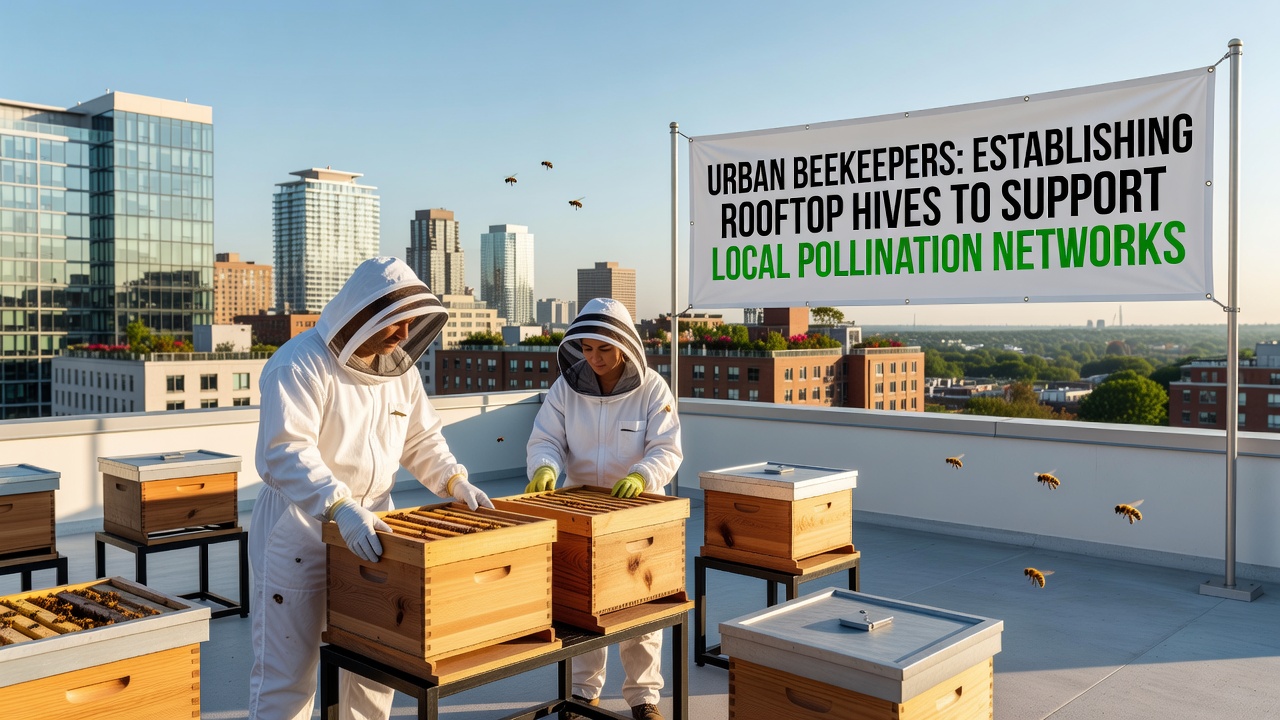
Urban beekeepers have expanded rooftop hive installations across multiple cities to bolster local pollination networks that connect fragmented green spaces with surrounding agricultural areas. These efforts draw on data from municipal programs showing increased hive counts in dense neighborhoods where traditional ground-level apiaries face space constraints. Researchers track colony health through standardized monitoring protocols that record brood patterns, honey yields, and pest presence at regular intervals.
Expansion of Rooftop Apiaries in Major Cities
City governments in North America and Europe report rising numbers of permitted rooftop installations since 2023, with permits issued for both commercial rooftops and residential buildings. Data compiled by local environmental departments indicates that each new hive contributes to pollen transfer among urban trees, community gardens, and nearby wildflower strips. Beekeepers coordinate with building owners to secure structural assessments before placement, ensuring load-bearing capacity meets safety standards set by engineering codes.
One program launched in Chicago during 2024 placed hives on five downtown office towers and recorded pollination activity on adjacent green roofs through weekly observation logs. Similar initiatives in Toronto and Melbourne have followed comparable steps, linking hive locations to existing biodiversity corridors mapped by municipal planners. Observers note that rooftop placements reduce conflicts with ground-level pedestrians while allowing bees access to diverse forage sources within a three-kilometer radius.
Technical Requirements and Regulatory Frameworks
Installation teams follow guidelines from agricultural extension services that specify hive orientation, wind protection, and water access points. Ventilation systems prevent moisture buildup inside wooden boxes, and entrance reducers limit access during colder months. Training sessions organized by beekeeping associations cover seasonal management tasks such as varroa mite sampling and supplemental feeding when nectar flows decline.
Regulations vary by jurisdiction yet commonly require registration with state or provincial apiary inspectors plus liability insurance for property owners. In October 2026 several Canadian provinces updated permitting forms to include drone-based roof inspections that verify spacing between hives and mechanical equipment. European Union member states reference pollinator action plans that encourage rooftop projects as part of broader habitat restoration targets outlined in official biodiversity reports.
Measured Effects on Local Pollination Networks
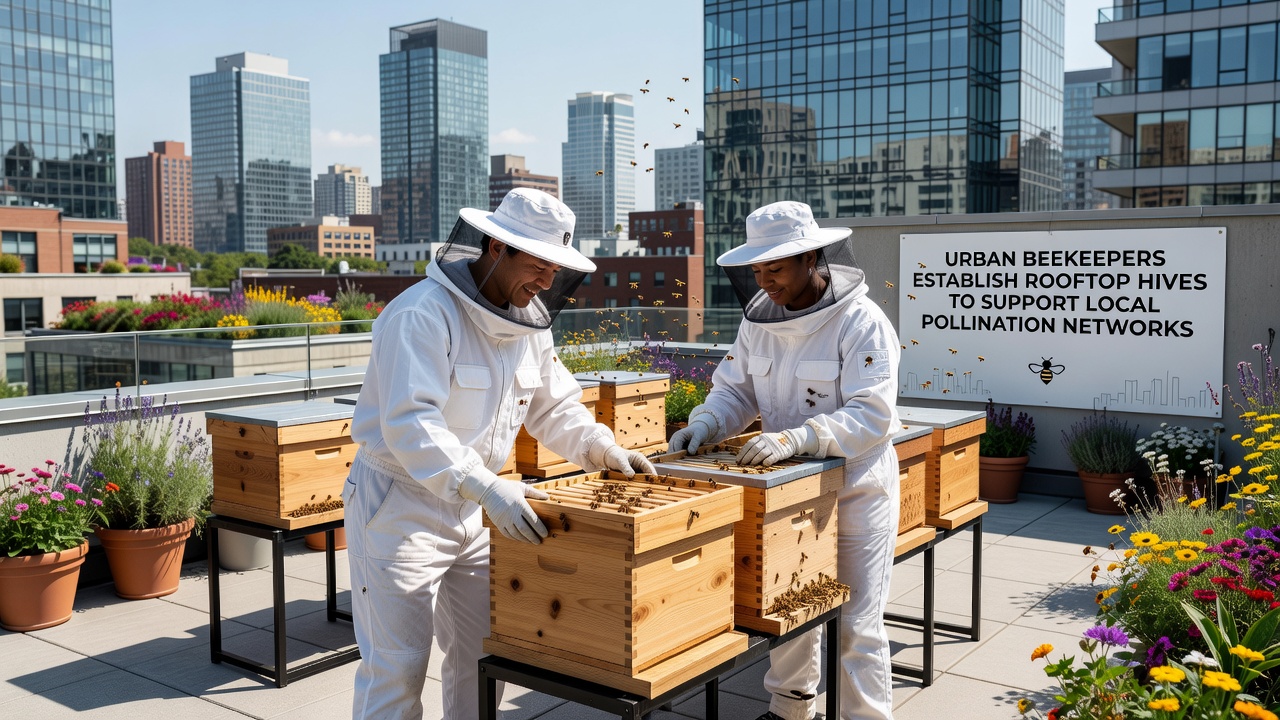
Studies conducted by university entomology departments document increased seed set in urban plant species located near rooftop apiaries compared with control sites lacking managed colonies. Pollen analysis from hive traps reveals contributions from both ornamental trees and native understory plants, confirming connectivity across fragmented habitats. Figures released by the U.S. Environmental Protection Agency highlight declines in certain managed pollinator stressors when colonies receive consistent monitoring and timely interventions.
Networks formed among beekeepers, gardeners, and researchers share data through open platforms that map colony locations and forage calendars. These maps help identify gaps where additional plantings could extend seasonal resources. In one documented case, rooftop hives in Portland supported increased fruit production in nearby community orchards after two consecutive seasons of coordinated planting and hive placement.
Challenges Addressed Through Collaborative Practices
Swarming events require advance planning that includes temporary trap hives and public notification systems managed by neighborhood associations. Pesticide drift from nearby landscaping crews prompts beekeepers to maintain communication channels with building maintenance staff who agree to use integrated pest management approaches. Winter survival rates improve when colonies receive insulated wraps and windbreaks designed by local fabricators familiar with rooftop microclimates.
Funding for equipment and training often comes from grants administered by regional conservation districts and corporate sustainability programs. Partnerships with schools integrate hive monitoring into science curricula, giving students hands-on experience with data collection while expanding the pool of trained volunteers. These arrangements distribute workload across multiple participants and reduce reliance on individual beekeepers for daily oversight.
Conclusion
Rooftop hive programs continue to integrate with citywide pollination strategies through shared monitoring standards and cross-sector coordination. Data collected from these installations contributes to broader understanding of urban ecosystem function while supporting regulatory updates that accommodate apiary growth. Continued expansion depends on sustained collaboration among property owners, inspectors, and research institutions that track colony performance and habitat connectivity over successive seasons.