Vera Flores · 7 October 2026
Residents Launch Neighborhood Skill-Sharing Network to Strengthen Daily Connections and Resource Access
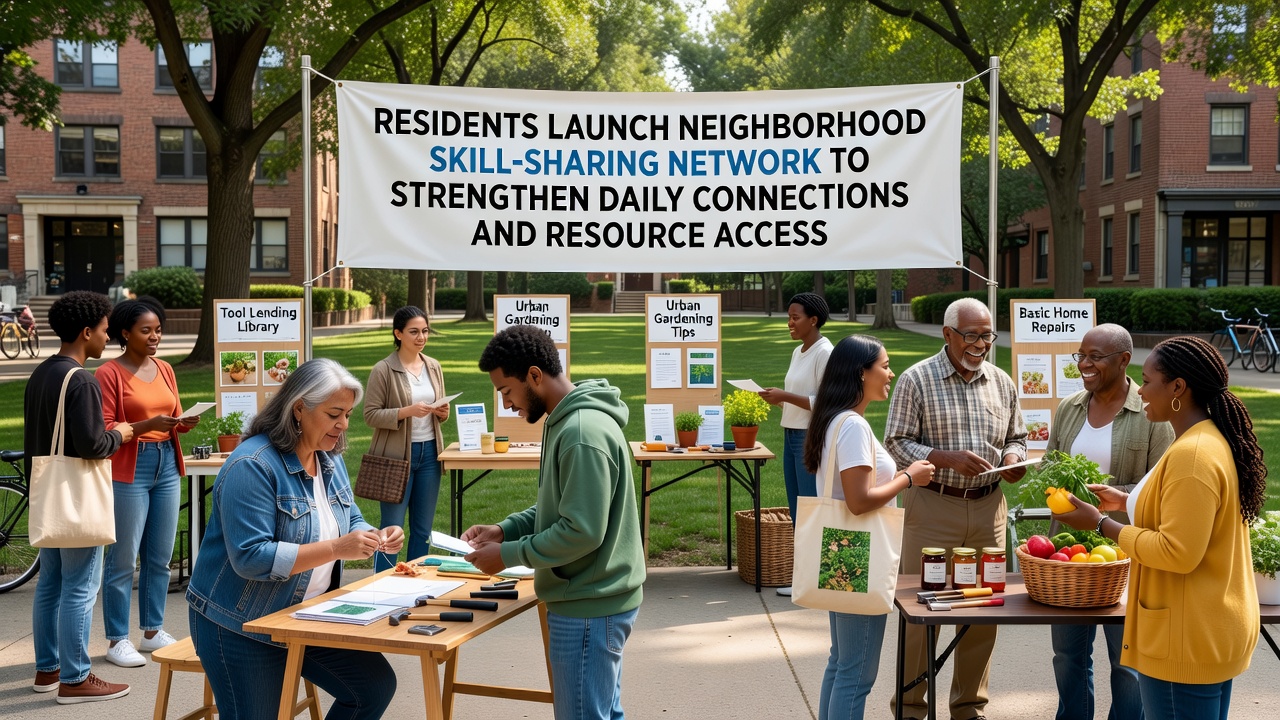
Residents in Glenhaven have established a neighborhood skill-sharing network that connects people through practical exchanges of abilities and tools, and this initiative rolled out its first organized sessions in October 2026. The network operates on a simple premise where participants list skills they can offer and needs they have, then match up without any monetary transactions involved.
How the Network Began
Local organizers started the project after noticing gaps in everyday support systems, and they drew from existing models of time banking and mutual aid groups that have operated in other communities for years. Data from Statistics Canada shows that such exchanges can reduce isolation by creating repeated face-to-face interactions, and Glenhaven residents adapted those principles to fit their specific streets and apartment buildings. Early sign-ups came through door-to-door flyers and a shared online calendar, while the first meetings took place in community rooms and front yards to keep things accessible.
Participants register skills ranging from bicycle maintenance and basic electrical troubleshooting to cooking traditional recipes and helping with digital forms for government services. One resident who teaches guitar lessons pairs with another who provides gardening advice, and schedules are set through a central coordinator who tracks hours contributed and received to maintain balance across the group.
Daily Operations and Resource Sharing
The network runs weekly skill circles where people demonstrate techniques in small groups, and separate tool libraries allow borrowing items like pressure washers or sewing machines for short periods. Organizers track participation through simple logs that record both the skill exchanged and the time spent, which helps identify popular offerings and areas where more volunteers are needed. Those who have joined report that access to resources has expanded because neighbors now share knowledge about local bulk buying clubs and free repair workshops run by nearby technical schools.
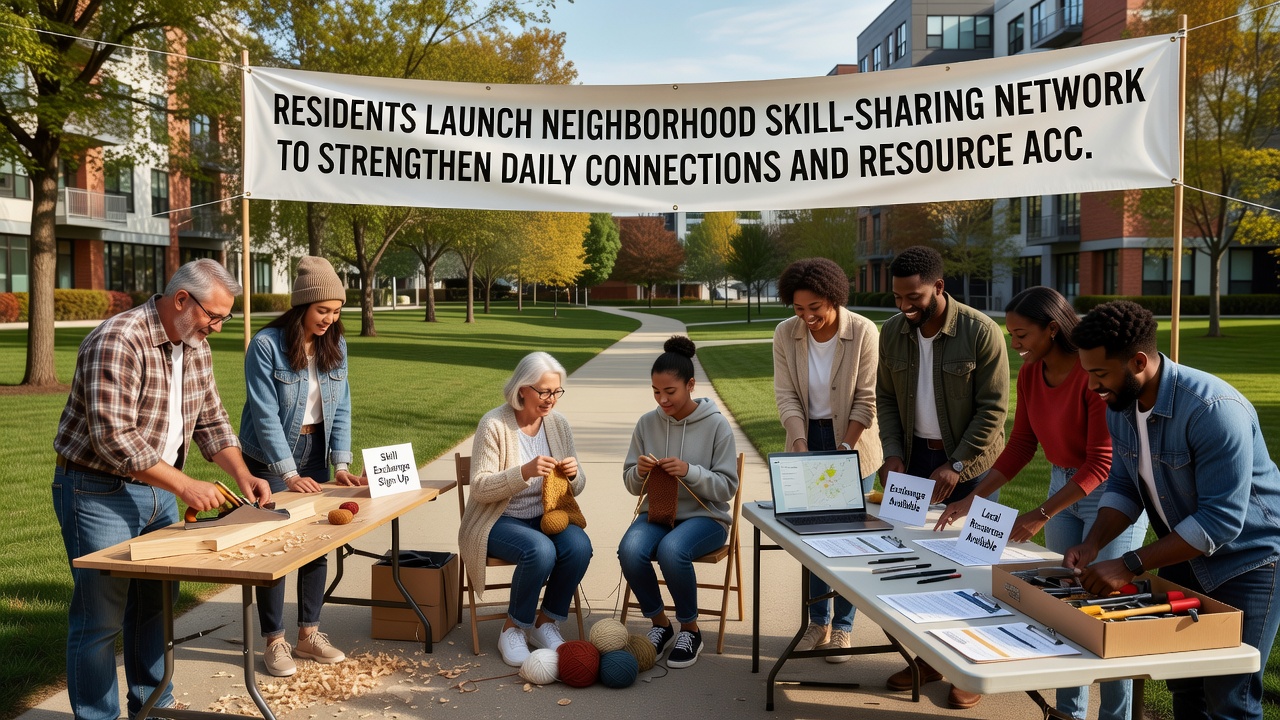
Research from the University of Melbourne on social capital indicates that repeated skill exchanges strengthen neighborhood ties over time, and Glenhaven's version incorporates that finding by holding monthly review meetings where members adjust the system based on feedback. Busier households often request help with tasks like minor plumbing fixes or language practice for school-age children, while retirees contribute expertise in areas such as mending clothes or navigating public transit routes.
Community Impact and Participation Trends
By mid-October 2026 the network had enrolled over 120 households, and organizers noted steady growth through word-of-mouth referrals. Figures from similar programs tracked by the Pew Research Center reveal that participants frequently expand their social circles beyond immediate family, and Glenhaven data mirrors those patterns with new friendships forming around shared interests like woodworking or meal planning. The system also connects with existing local resources, including partnerships with the public library for hosting larger workshops on topics such as financial literacy and smartphone security settings.
Coordinators emphasize that the network remains open to anyone living in the defined boundaries, and they rotate leadership roles to prevent burnout among the core volunteers. Sessions occur at different times of day to accommodate work schedules, and translation services are available for non-English speakers through bilingual residents who volunteer their time. This flexibility has allowed the group to include families with young children, shift workers, and older adults who previously had limited opportunities for regular interaction.
Conclusion
The Glenhaven skill-sharing network continues to evolve through ongoing input from members, and its structure supports both immediate practical needs and longer-term relationship building across the neighborhood. Observers note that the approach integrates well with other community efforts already underway, creating a layered system where people exchange knowledge while accessing shared resources more efficiently. As participation grows, teh network stands as one example of how residents organize around daily connections without relying on external funding or formal institutions.