Vera Flores · 18 November 2026
Residents Establish Seed Library to Preserve Heirloom Varieties and Promote Gardening Knowledge
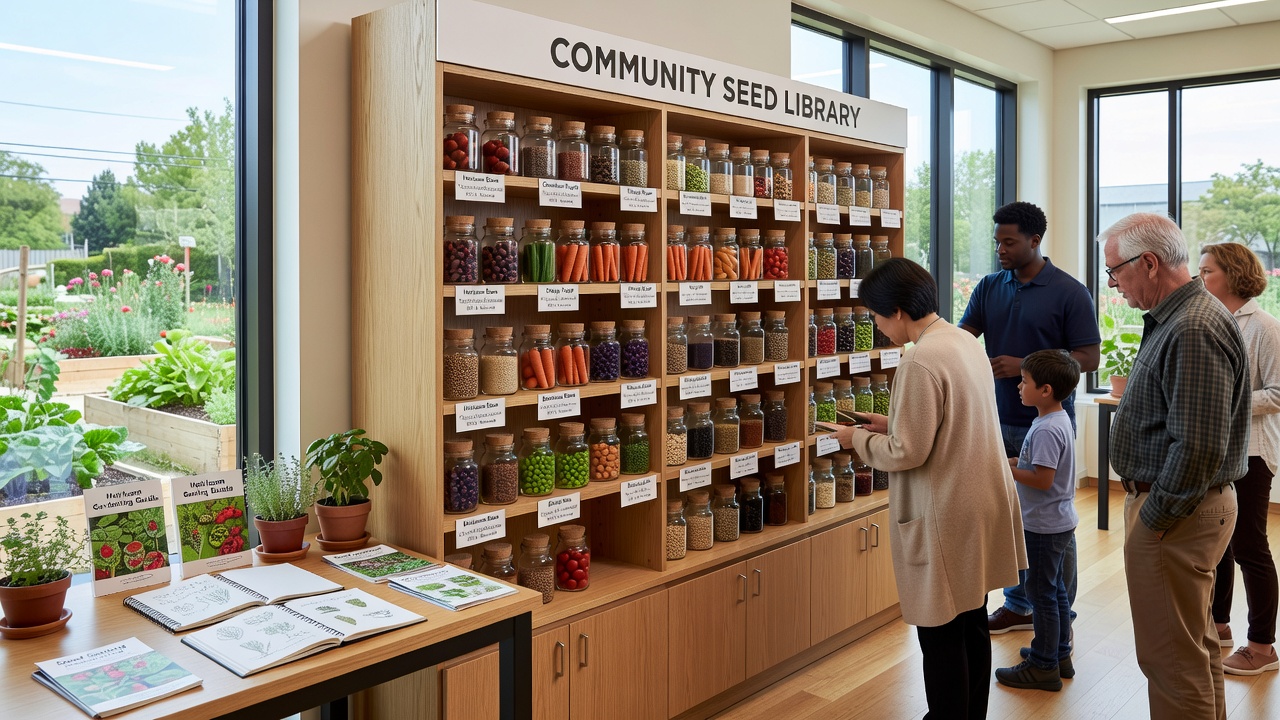
In Glenhaven a collective of residents has launched a seed library dedicated to safeguarding heirloom plant varieties and expanding local access to practical gardening expertise, with the project taking shape over the past eighteen months before its formal opening scheduled for November 2026.
Participants began by collecting seeds from long-established gardens throughout the neighborhood, focusing on varieties such as Brandywine tomatoes, Detroit Dark Red beets, and Purple Podded pole beans that have been passed down through multiple generations, and they organized these collections into a lending system where borrowers return an equal quantity of seeds after each growing season.
Origins of the Glenhaven Seed Library Initiative
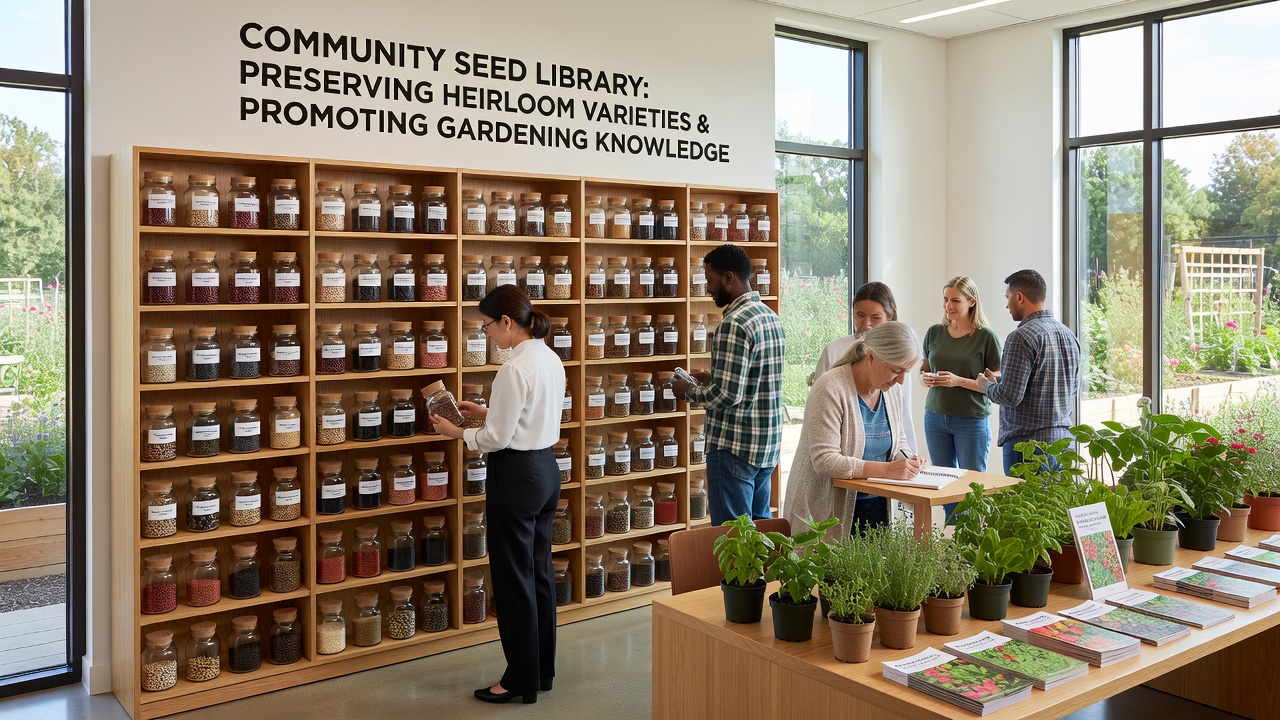
The effort traces its start to informal meetings among local gardeners who noticed declining availability of non-hybrid seeds at commercial outlets, and these conversations led to partnerships with nearby farms and extension services that supplied starter packets while volunteers built storage cabinets designed to maintain cool, dry conditions essential for long-term viability.
Records kept by the organizing committee show that more than two hundred distinct cultivars entered the inventory during the initial collection phase, covering vegetables, herbs, and flowers suited to the regional climate, while duplicate samples went into a backup freezer maintained at a participating household to guard against loss from pests or equipment failure.
Operational Structure and Community Access
Borrowers register through a simple card system at the library location inside the Glenhaven community center, selecting up to ten packets per visit with the expectation that they will grow the plants, allow some to mature for seed saving, and return viable seeds the following year, and staff members provide printed instructions on isolation distances and harvesting techniques to support successful reproduction.
Workshops scheduled throughout the winter months, including sessions set for November 2026 on topics such as soil preparation and pest management without synthetic inputs, draw from expertise contributed by master gardeners certified through state programs, and attendance records from earlier pilot events indicate consistent participation from both experienced cultivators and first-time residents.
Role in Preserving Biodiversity and Sharing Knowledge
Heirloom varieties maintained through the library often exhibit traits such as drought tolerance or disease resistance that have been documented in university trials, and data compiled by researchers at land-grant institutions shows these plants frequently outperform commercial hybrids under low-input conditions common in home gardens. According to information from the USDA Agricultural Research Service, genetic diversity preserved in such collections supports resilience against shifting weather patterns and emerging plant pathogens.
Participants exchange observations during monthly gatherings, noting which varieties performed well in local microclimates, and these shared records help refine future recommendations while building a neighborhood-specific knowledge base that supplements broader resources from agricultural agencies. One documented case involved a volunteer who tracked germination rates across three seasons, revealing that certain lettuce types maintained over 85 percent viability when stored properly, information now incorporated into orientation materials for new members.
Partnerships and Resource Expansion
Local businesses donated shelving and labeling supplies, while the public library contributed space for a reference section containing books on seed saving and organic methods, and grants from regional conservation groups funded the purchase of a dehumidifier to protect delicate seeds during humid summer periods.
Coordination with similar projects in neighboring communities has begun through an informal network that shares surplus seeds and compares cataloging systems, and planners anticipate that the Glenhaven collection could serve as a model for additional sites once operational data from the November 2026 launch becomes available.
Conclusion
The seed library stands as a community-driven effort to maintain plant diversity and distribute practical skills, with its structured lending model and educational components positioned to operate continuously after the 2026 opening. Ongoing volunteer coordination and partnerships with established agricultural sources ensure the project remains grounded in verifiable practices that support both individual gardeners and collective food production capacity.