Avery Russell · 10 September 2026
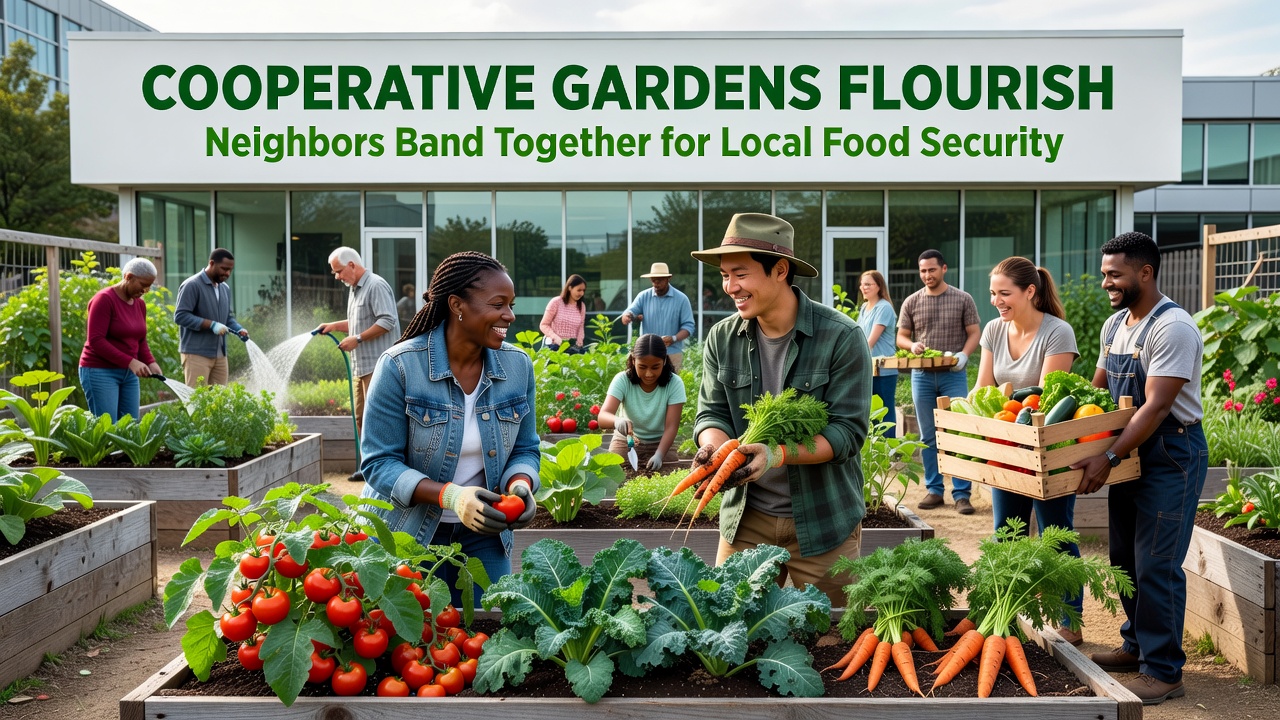
Cooperative Gardens Flourish as Neighbors Band Together for Local Food Security
Community members across various regions have formed cooperative gardens that connect households through shared plots and collective harvests, which strengthens local food supplies while reducing reliance on distant supply chains. Data from agricultural extension services shows these initiatives often expand during periods of economic pressure and supply disruptions, with participation rates climbing steadily since the early 2020s.
Researchers at land-grant universities documented how neighborhoods coordinate planting schedules, tool libraries, and distribution systems that rotate crops to maintain soil health and maximize yields. In one documented case, a group of thirty households pooled resources to lease underused urban land and established a rotation that produced over two tons of vegetables in a single growing season.
Historical Context and Recent Growth
Cooperative gardening models trace their roots to wartime victory gardens and mutual-aid networks that appeared during economic downturns, yet contemporary versions incorporate data-driven planning and partnerships with municipal agencies. According to reports from the Food and Agriculture Organization of the United Nations, urban and peri-urban agriculture now supplies a measurable portion of fresh produce in cities worldwide, with cooperative structures helping distribute labor and risk among participants.
Local governments have responded by updating zoning codes to permit shared garden spaces on public and private parcels, which removes legal barriers that once limited group efforts. Figures from the United States Department of Agriculture indicate that community garden plots increased by more than forty percent between 2019 and 2025, reflecting both grassroots demand and supportive policy changes.
Operational Models and Resource Sharing
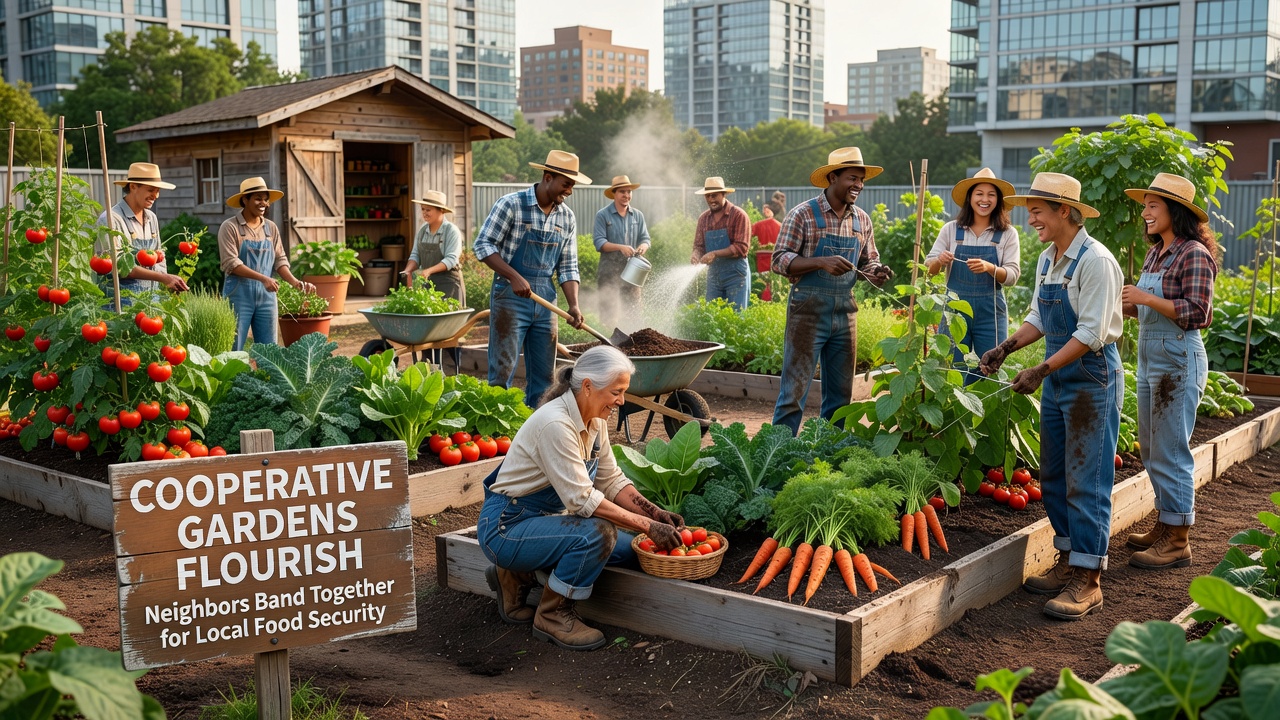
Most successful cooperatives divide responsibilities so that members handle watering, weeding, and harvesting on assigned days while maintaining a central log for accountability. This approach spreads knowledge about pest management and soil testing, which reduces individual learning curves and improves overall productivity. Extension agents from agricultural departments often provide free workshops on composting and season extension techniques that participants adapt to their shared spaces.
Equipment sharing further lowers costs, since groups purchase tillers, irrigation timers, and cold frames that serve everyone rather than duplicating purchases at the household level. Studies from Canadian research institutions found that such arrangements cut startup expenses by roughly sixty percent compared with independent plots of similar size.
Food Security Outcomes in 2026
By September 2026, many cooperative gardens reach peak harvest periods that coincide with school schedules and community events, allowing surplus produce to reach food banks and neighborhood pantries. Tracking conducted by regional health departments shows measurable improvements in household vegetable intake among active members, particularly in areas previously classified as food deserts.
Coordination with local food hubs enables excess crops to enter formal distribution networks without requiring individual farmers markets, which expands reach beyond immediate participants. Evidence compiled by university food systems programs demonstrates that these linkages stabilize prices during seasonal fluctuations and provide predictable outlets for garden output.
Challenges and Adaptive Strategies
Soil contamination in older urban sites remains a concern, prompting groups to test plots and install raised beds filled with imported clean soil when necessary. Water access presents another variable, especially during drought declarations, so cooperatives negotiate shared metering agreements or install rain-collection systems that comply with municipal regulations.
Conflict resolution protocols help maintain participation when disagreements arise over crop choices or labor contributions, with many groups adopting simple voting procedures or rotating leadership roles. Observers note that clear written agreements signed at the start of each season reduce misunderstandings and support long-term stability.
Conclusion
Cooperative gardens continue to demonstrate measurable contributions to local food security through structured collaboration and resource pooling. Ongoing documentation by agricultural agencies and academic centers provides data that municipalities use when evaluating support programs. As participation patterns evolve, these networks offer adaptable frameworks that communities can scale according to available land and volunteer capacity.